

ফোনে সরাসরি কল দিন

WhatsApp এ কল দিন

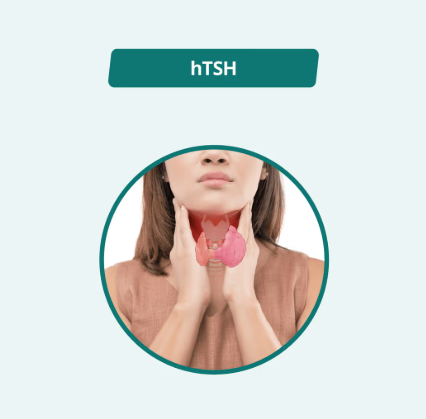
Thyroid Stimulating Hormone (TSH)

Assessing Thyroid Function for Comprehensive Metabolic Health Insight

৳ 800.00 ৳ 1,000.00

Book Test
Share

Sample Type

Overview

Fasting Required: No


Risk Assessment:

  • High TSH: May indicate hypothyroidism (underactive thyroid)

  • Low TSH: May suggest hyperthyroidism (overactive thyroid)

  • TSH levels are also used to monitor thyroid hormone replacement therapy or treatment for hyperthyroidism.


Age Reference Range:

  • Day of birth 3.84–11.75 mU/l

  • 1 month 1.18–3.57 mU/l

  • 1 year 1.17–3.55 mU/l 5 years

  • 1.15–3.47 mU/l

  • 12 years 1.09–3.31 mU/l

  • 18 years 1.05–3.16 mU/l

  • Adult 0.46 to 4.68 mIU/L


Test Result Interpretation:

  • Low TSH levels: This can indicate that the thyroid is overactive (hyperthyroidism), where the thyroid produces too much hormone, leading to a decrease in TSH production from the pituitary gland.

  • High TSH levels: This can suggest hypothyroidism, where the thyroid is underactive and the pituitary gland compensates by producing more TSH to stimulate the thyroid.

  • Normal TSH levels: Typically indicate normal thyroid function, but additional tests (like free T3 and T4 levels) may be required to confirm normal thyroid health.


Sample Type:

  • Blood sample: Typically drawn from a vein in your arm.

0 Items
View Cart